Sedimentation
When soil is disturbed, rain can easily wash loose dirt downhill
and turn the stream muddy. Construction causes excess sedimentation,
which degrades the stream as it washes downstream to the Potomac River.

Watershed Health
Elks Run faces several pressures that can affect stream health, groundwater,
and the quality of water moving through the watershed. Understanding these
problems is an important part of protecting the water resource.
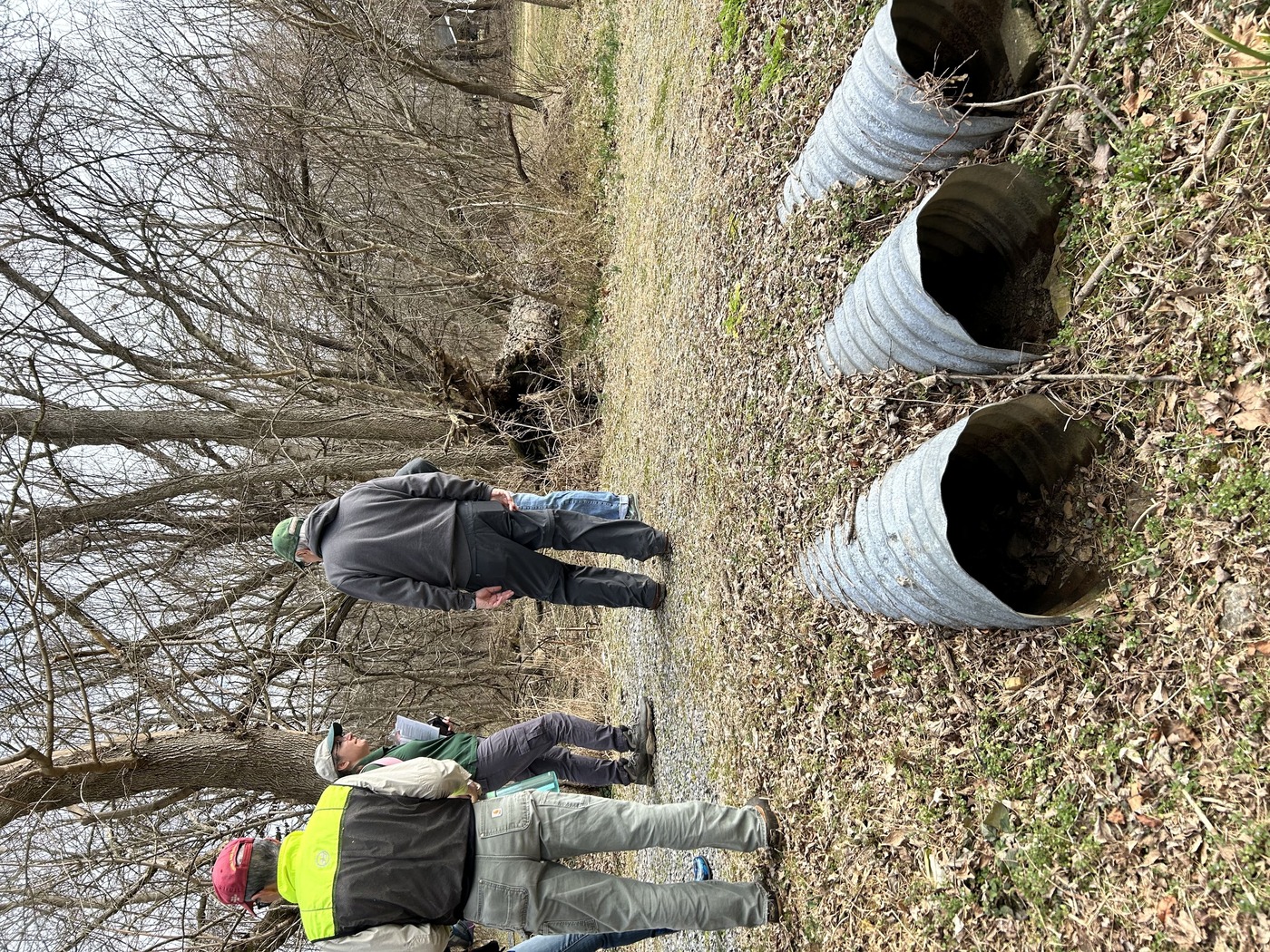
When soil is disturbed, rain can easily wash loose dirt downhill
and turn the stream muddy. Construction causes excess sedimentation,
which degrades the stream as it washes downstream to the Potomac River.
The tremendous increase in development, including residential and
commercial areas, streets, parking lots, and driveways, has increased
the amount of impervious surface within the watershed.
This increases surface-water runoff, which can carry petroleum products,
lawn chemicals, heavy metals, animal waste, fertilizers, and pesticides
into the water.
The West Virginia Rural Water Association has observed the presence
of sinkholes within the watershed delineated area. These sinkholes
can provide a conduit for contaminants to move into groundwater.
Collection pipes from housing developments located within the
Elks Run watershed run under and through the watershed.
The geology of the area consists largely of karst, a porous limestone
formation that allows water to drain deep underground rather than
remain at the surface. When wastewater pipes break, sewage can drain
downward into the water table without being immediately visible.
Significant non-point source contamination includes nitrates associated
with manure, fertilizers, and pesticides. These pollutants can drain
into streams and infiltrate groundwater from agricultural and
homeowner activities.
The West Virginia Rural Water Association has observed that Elks Run
is vulnerable because of railroad traffic carrying a variety of
commodities, including tank cars containing oils and chemicals.
Hazardous material spills are a potential risk.
Data collected monthly at the Harpers Ferry Water Works shows bacterial
contamination in the Potomac River upstream of the plant intake,
particularly during the summer months.
Proper garbage disposal is the responsibility of everyone. Trash and
other solid waste should never be dumped along the stream. Keeping
litter out of the watershed helps protect both the water and the
surrounding community.
© 2026 Elks Run Watershed Group · This project powered by The Downstream Project
Press Enter to searchEsc to close